Words matter.
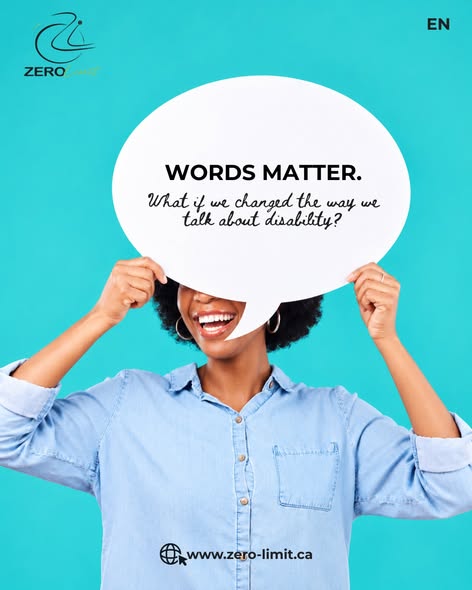
Words matter. Sometimes, a simple change in wording can make a difference.
When we talk about disability and mobility, everyday expressions can unintentionally reduce a person to their limitations. But a person is much more than their disability or the equipment they use.
Here are a few examples of more precise and respectful language:
Instead of saying someone is “confined to a wheelchair,” say they “use a wheelchair.” A wheelchair is a mobility aid, not a definition of the person.
Instead of describing someone as “unable to participate,” consider which barriers are limiting their participation and how those barriers could be reduced.
Instead of calling a place “accessible to everyone” without checking its features, describe the measures that actually help people access and use the space.
Above all, it is important to listen to people with disabilities and respect their preferences. There is no single way of speaking that suits everyone, but choosing our words thoughtfully is a good place to start.
A more inclusive society is also built through the way we speak, think, and act. Do you think the words we use can change the way we see disability?